


If you’re a UGC creator trying to land paid brand deals, your portfolio is your most important asset.
Not your follower count.
Not your editing skills.
Not your camera quality.
Your portfolio determines whether a brand replies
→ “We’ll get back to you,”
or
→ “YES, let’s work together!”
And the good news?
You don’t need expensive shoots or dozens of videos to create a portfolio that converts.
In this guide, you’ll learn exactly how to build a professional UGC portfolio that brands instantly trust, along with a strategy used by top creators to get hired faster.
Why Your Portfolio Matters More Than Anything Else
Brands don’t hire creators based on how much they talk about their skills.
They hire creators based on how well they show their skills.
A strong portfolio communicates:
- Your on-camera presence
- Your creativity and style
- Your ability to follow a brand brief
- Your editing style
- Your understanding of hooks, storytelling & angles
- Your confidence
And most importantly:
➡️ Whether you can make content that sells.
A well-designed portfolio makes brands feel safe investing in you.
It eliminates doubt.
It builds trust instantly.
The 5 Elements of a High-Converting UGC Portfolio


Most creators throw random videos together and call it a portfolio.
But a strategic portfolio is structured to guide the brand through a story:
⭐ 1. A Clean, Simple Introduction Section
Your intro should answer:
- Who you are
- What type of content you make
- What industries you specialize in
- Why you’re the right fit for brands
Example:
“Hi! I’m ____, a UGC creator who helps lifestyle, beauty, wellness, and D2C brands create high-trust videos that convert.”
Short. Clear. Professional.
⭐ 2. Your Best 5–8 UGC Videos Only
Not 20 videos.
Not every TikTok you’ve made.
Not vlogs or random clips.
Brands want a quick impression.
Show variety:
- Testimonial video
- Micro-story video
- Voiceover demo
- Problem–solution video
- Product demo
- Reaction-style ad
- Aesthetic B-roll
Tip: Put your STRONGEST video first. First impressions = everything.
⭐ 3. Category Breakdown (Optional But Powerful)
Create sections like:
- Beauty & Skincare
- Food & Beverage
- Fitness & Wellness
- Home & Lifestyle
This helps brands picture you working for them.
Pro creators use this trick to get 3× more responses.
⭐ 4. Short Explanation of Your Process
Brands want to know you’re reliable.
Example:
**“My workflow:
- Review brand brief
- Send script/hooks for approval
- Film 2–3 variations
- Edit & deliver within 3–5 days
- Provide raw clips if needed”**
This builds confidence.
⭐ 5. A Clear CTA (Call to Action)
Make it EASY for brands to contact you.
Example:
“Ready to create? Email me at ____ or connect with me on IG: @____.”
That’s it.
Simple = effective.
Where Should You Host Your Portfolio?
Most creators use awkward Google Drives with messy folders.
Use platforms that feel professional, clean, and brand-friendly:
- Notion
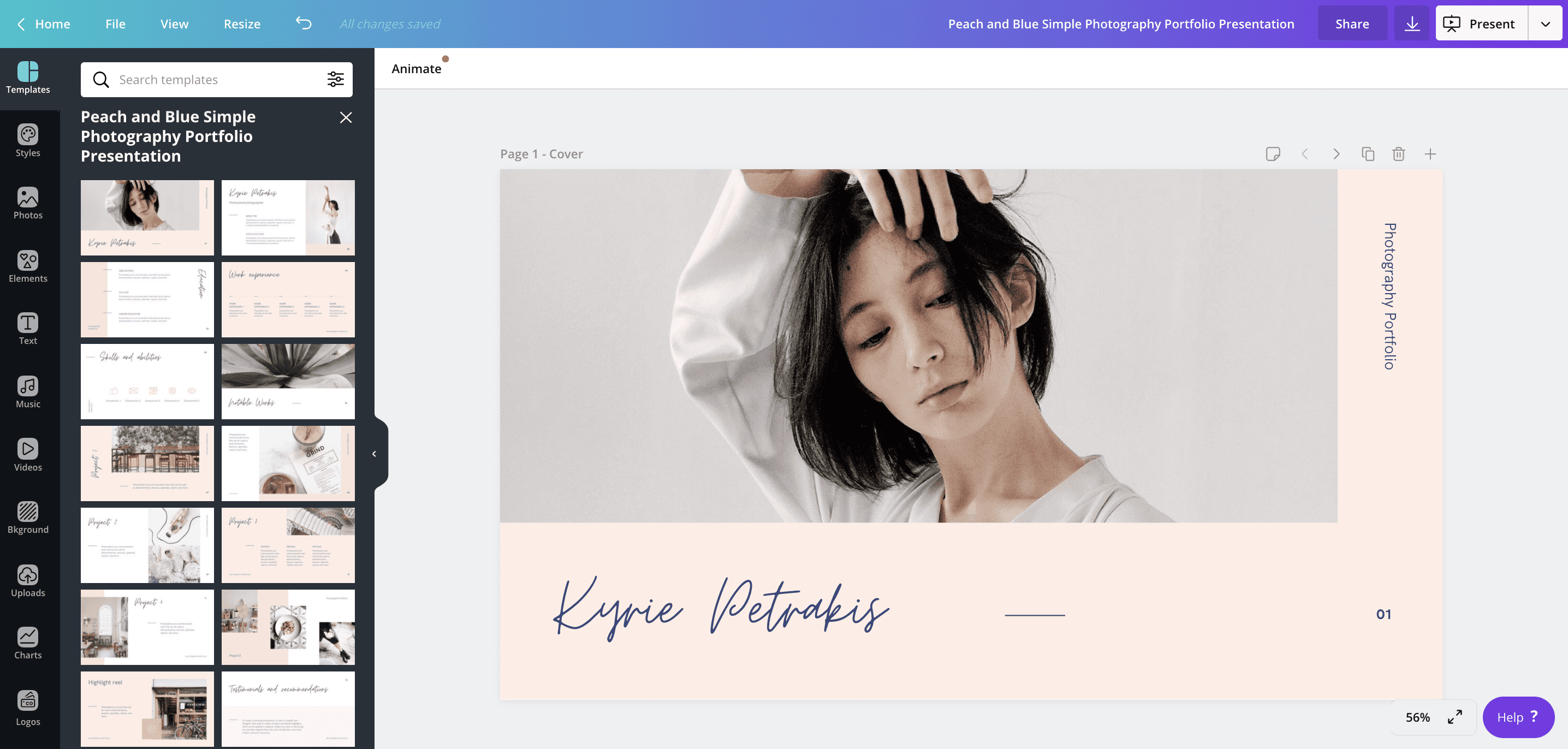
- Canva website
- Wix
- Squarespace
- Behance
- Your own domain
And if you want inspiration or real brand briefs to practice with, platforms like Creator Navigator (soft mention) help creators see what brands are currently requesting, so you can build a portfolio that aligns with real demand.
The “3–Video Rule” That Helps Beginners Build a Portfolio Fast
If you don’t have brand clients yet, follow this simple rule:
✔ Make 3 portfolio videos for 3 different categories:
- Testimonial-style
- Problem–solution
- Aesthetic / B-roll video
These 3 alone can get you hired.
Why?
Because they show the brand everything they need:
- your voice
- your on-camera clarity
- your editing
- your creativity
- your storytelling
One creator got her first ₹15,000 project with just these 3 videos.
How to Make Your Portfolio Stand Out (Industry Secrets)
Here are the techniques pro creators use:
🔹 1. Shoot With Purpose, Not Aesthetic
Brands want videos that convert, not “pretty” videos.
A beautiful video with no hook = useless in ads.
A simple video with strong storytelling = money.
🔹 2. Show Your Personality Through Micro-Moments
Brands choose people, not templates.
Smile.
Laugh a little.
React naturally.
Show emotion.
Your face sells more than the product.
🔹 3. Use Strong Hooks in Every Video
Example hooks:
- “I didn’t expect this to work…”
- “Wait… this changed everything.”
- “Let me save you some money.”
- “If you struggle with ___, watch this.”
Hooks make brands think:
“This creator understands performance UGC.”
🔹 4. Keep Your Portfolio Light & Scroll-Friendly
If it takes more than 20 seconds to understand who you are → people close it.
Make your layout clean and minimal.
🔹 5. Update It Every 30 Days
New videos = new opportunities.
Stale portfolios = no responses.
Your portfolio is a living document, not a final project.
Portfolio Mistakes That Make Brands Say “No”


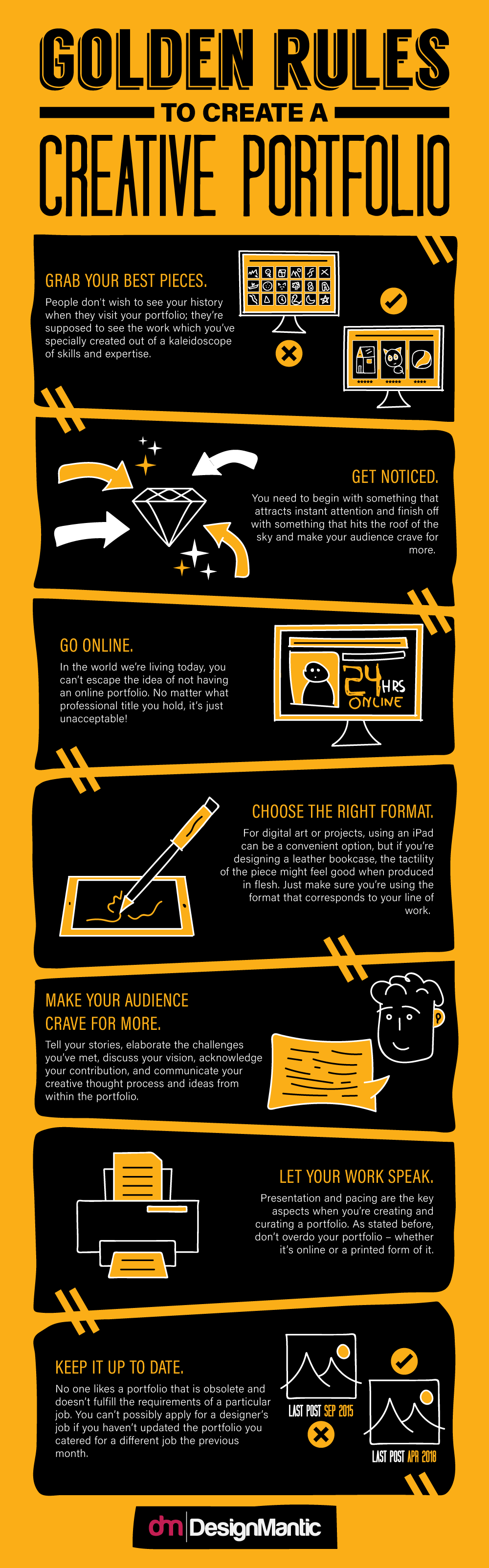
Avoid these common creator mistakes:
🚫 Showing random lifestyle videos
Brands only care about UGC-style deliverables.
🚫 Poor lighting & audio
Bad quality = zero trust.
🚫 Too many videos
Brands don’t want to search for your best work — they want to SEE your best work.
🚫 Not speaking clearly
Your delivery sells the script.
🚫 No CTA
Brands won’t chase you.
Make your contact method obvious.
The Secret Ingredient: Your Signature Style
Even with a perfect portfolio, brands hire creators who have a unique “feel.”
This will be covered deeply in Blog #3, but here’s a preview:
Your signature style can be:
- your tone of voice
- how you smile
- how you explain things
- how you edit
- how you express emotion
Brands come back to creators who feel distinct.
Conclusion: Your Portfolio Is Your Ticket to High-Paying UGC Work
A strong portfolio doesn’t just show your skills — it shapes how brands perceive your value.
When your portfolio is:
- clean
- confident
- organized
- emotionally engaging
- strategic
Brands don’t need convincing.
They immediately understand your professionalism.
If you want real brand opportunities to test your portfolio style, platforms like Creator Navigator (conclusion mention) offer creators access to curated UGC briefs and campaigns. This helps you create portfolio pieces that match what brands are actively hiring for.
Your portfolio isn’t just a place to store your work —
It’s the doorway to better clients, higher rates, and long-term success.
Leave a Reply